Logo

Lab-to-Production Workshop

Toward Industrial-Grade Perception and Manipulation

Sydney, Australia | July, 2026

Overview

Recent robotics research increasingly targets physical general intelligence, emphasizing generality, learning, and adaptability across tasks. In contrast, industrial robots deployed in factories and warehouses—numbering in the millions worldwide—are optimized for precision, repeatability, reliability, and safety, but are typically single-purpose and tightly engineered for fixed workflows. This divergence has created a growing gap between what is demonstrated in research labs and what can be deployed in production environments.

This workshop focuses on the challenges of translating recent advances in autonomous manipulation and perception from lab to production. Rather than asking how industry can adopt existing research systems, we emphasize what researchers must change in their methods, assumptions, and evaluation practices to meet industrial constraints. Key research questions include:

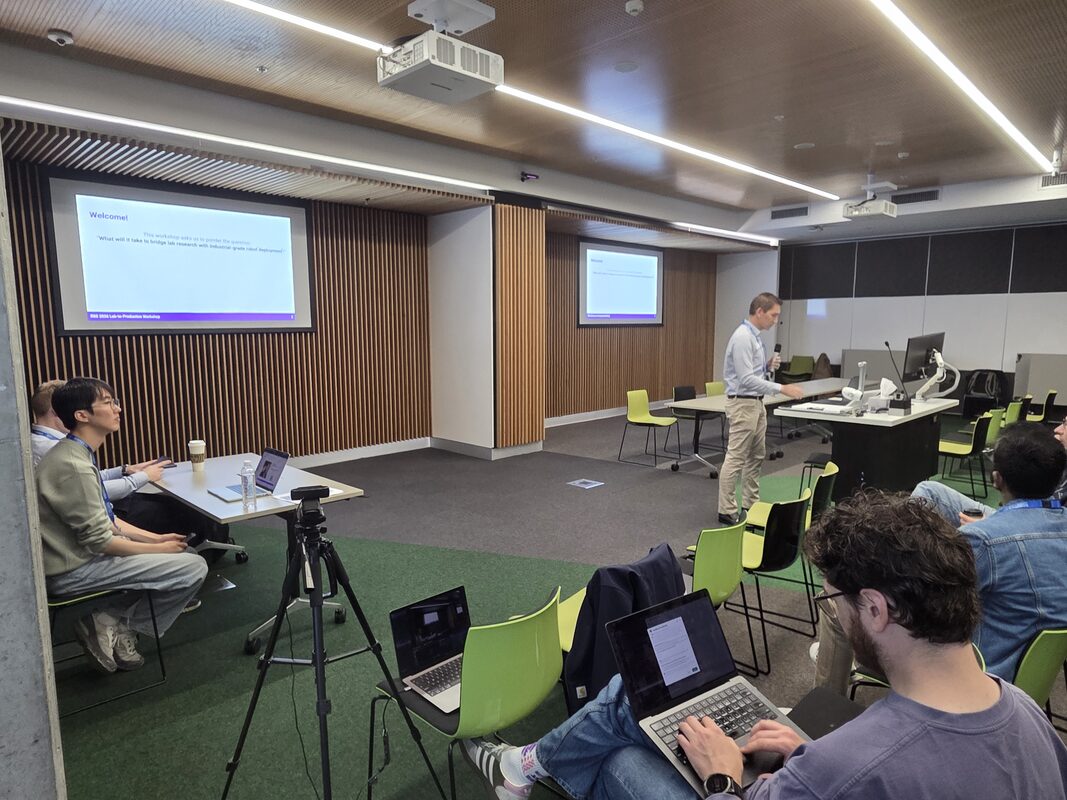
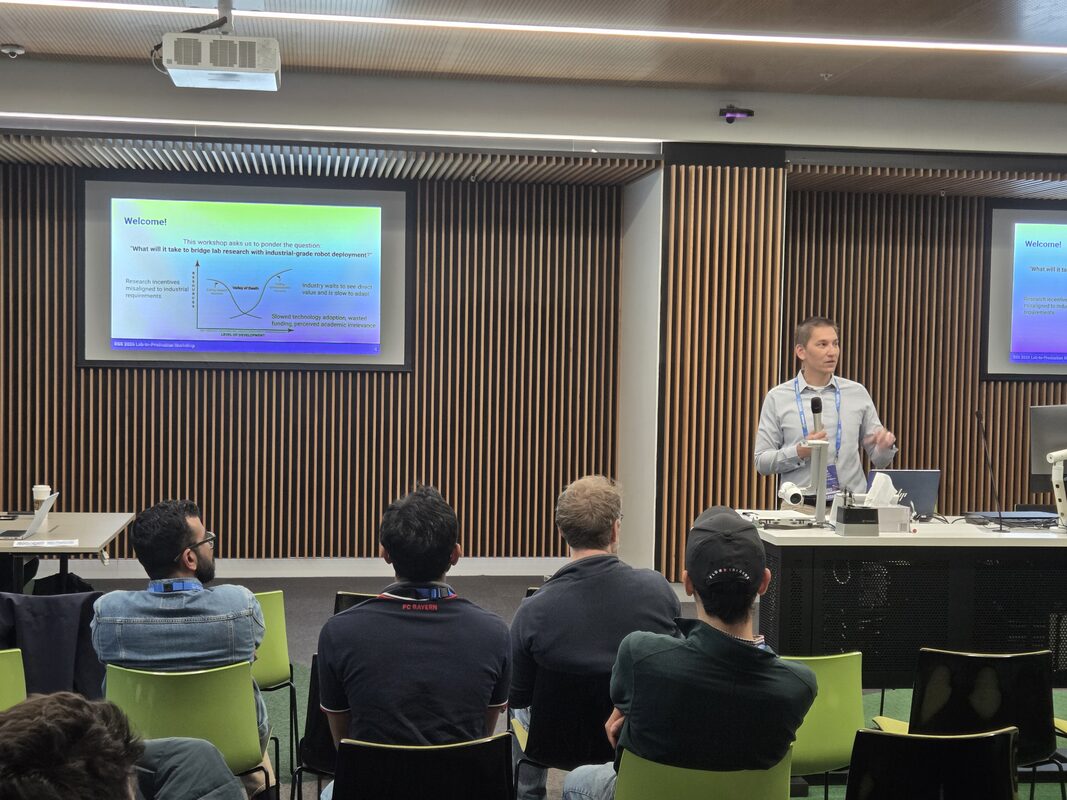
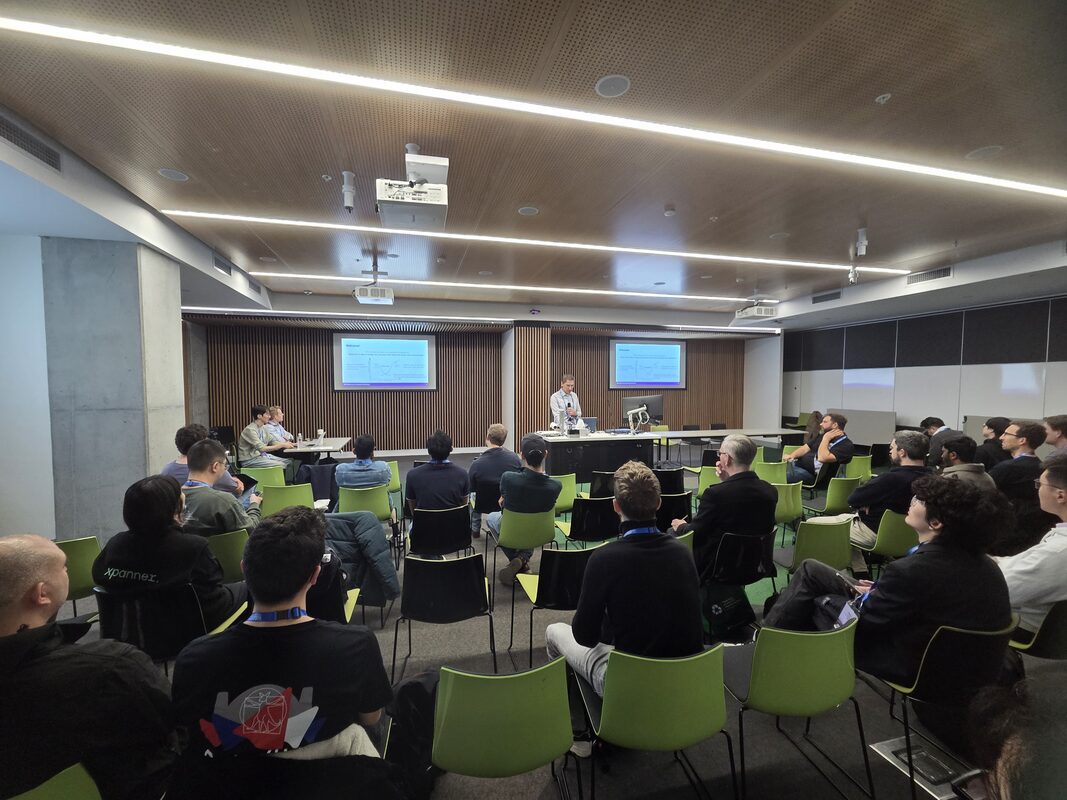
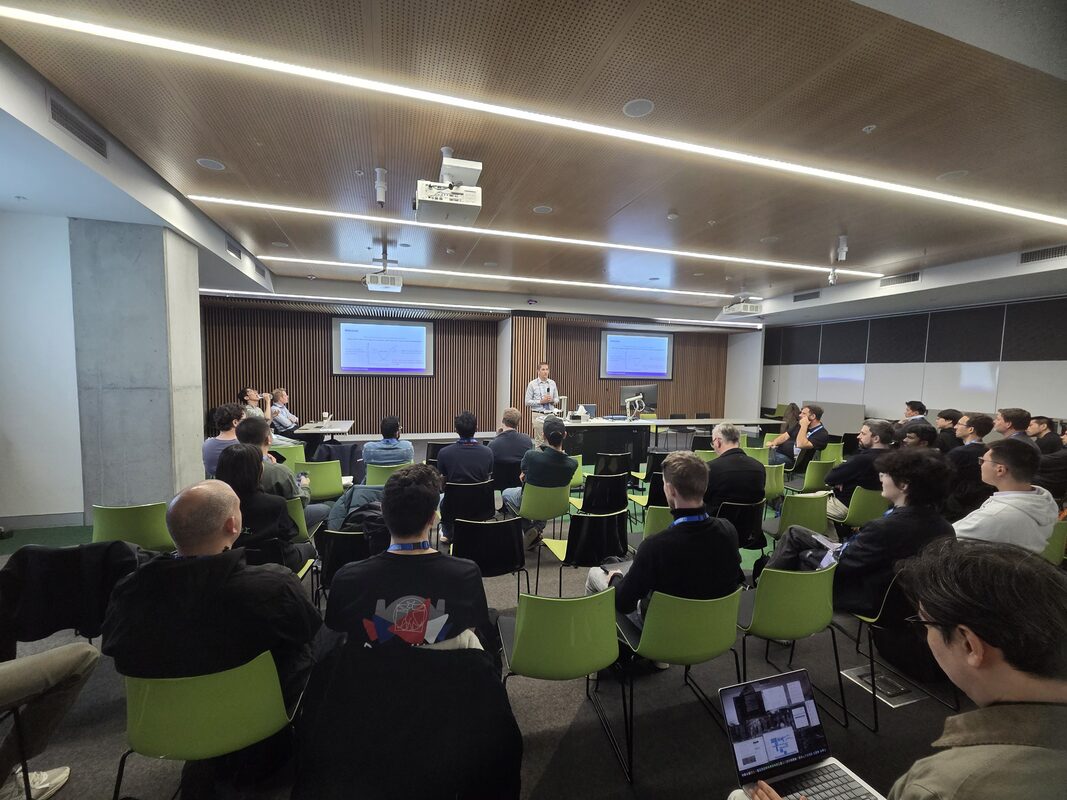
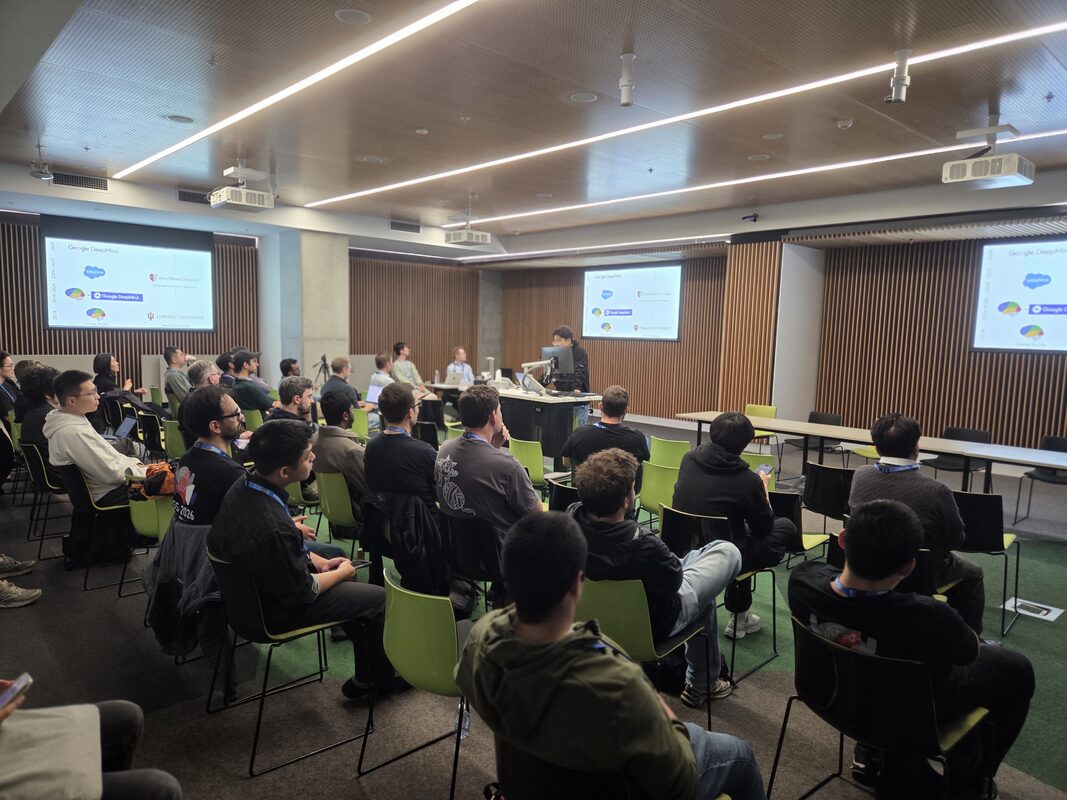
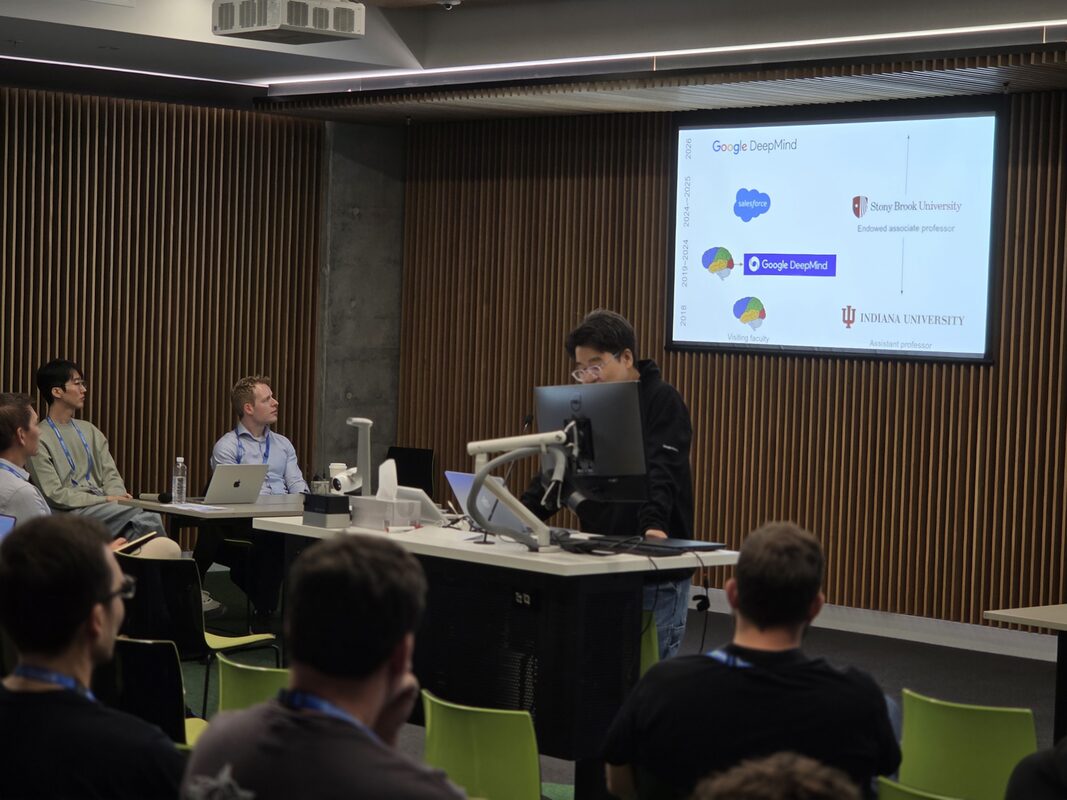
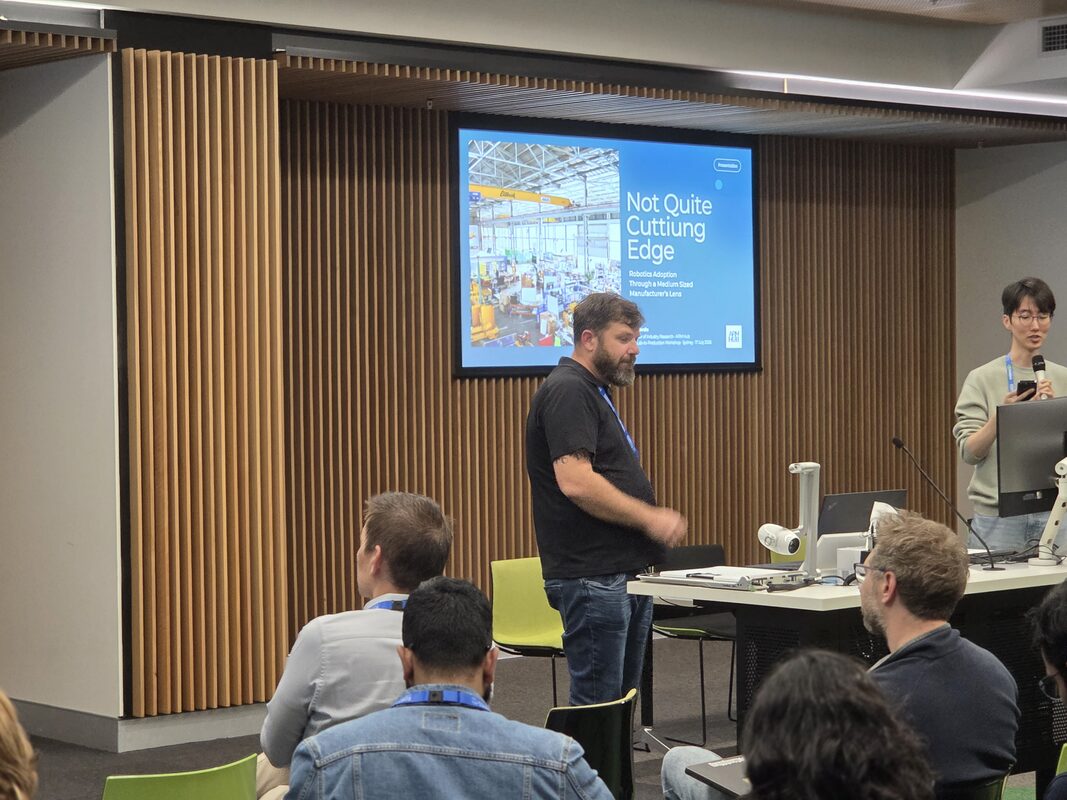
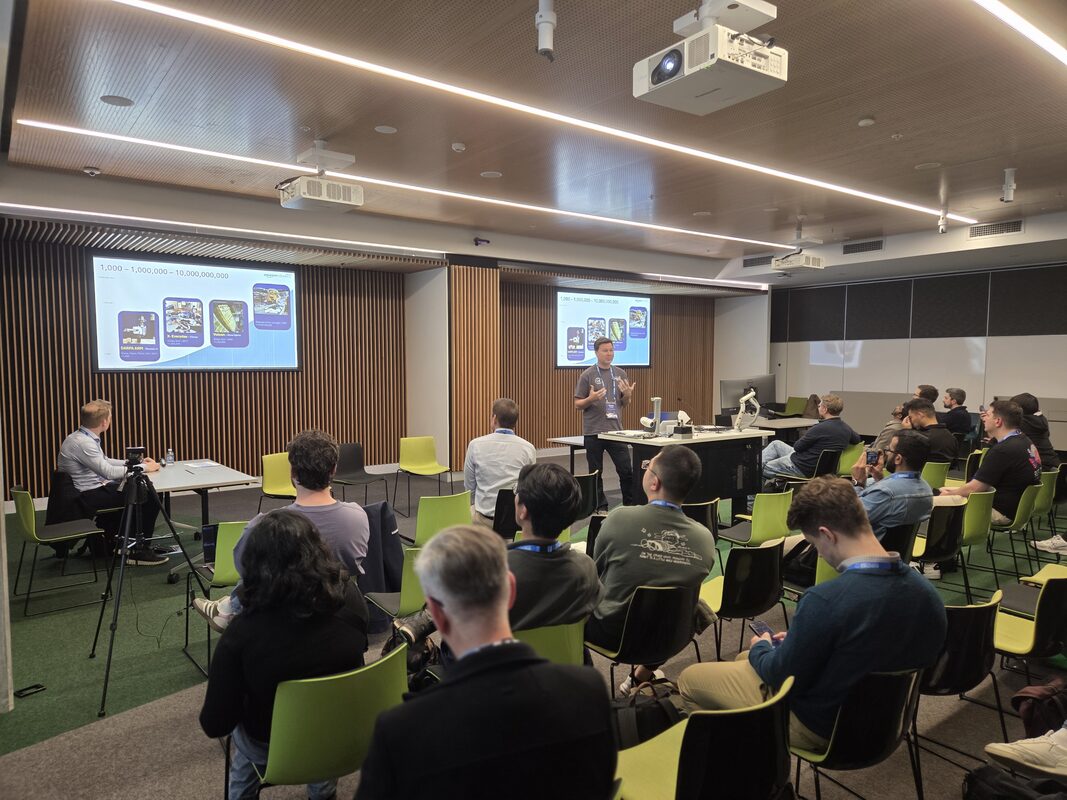
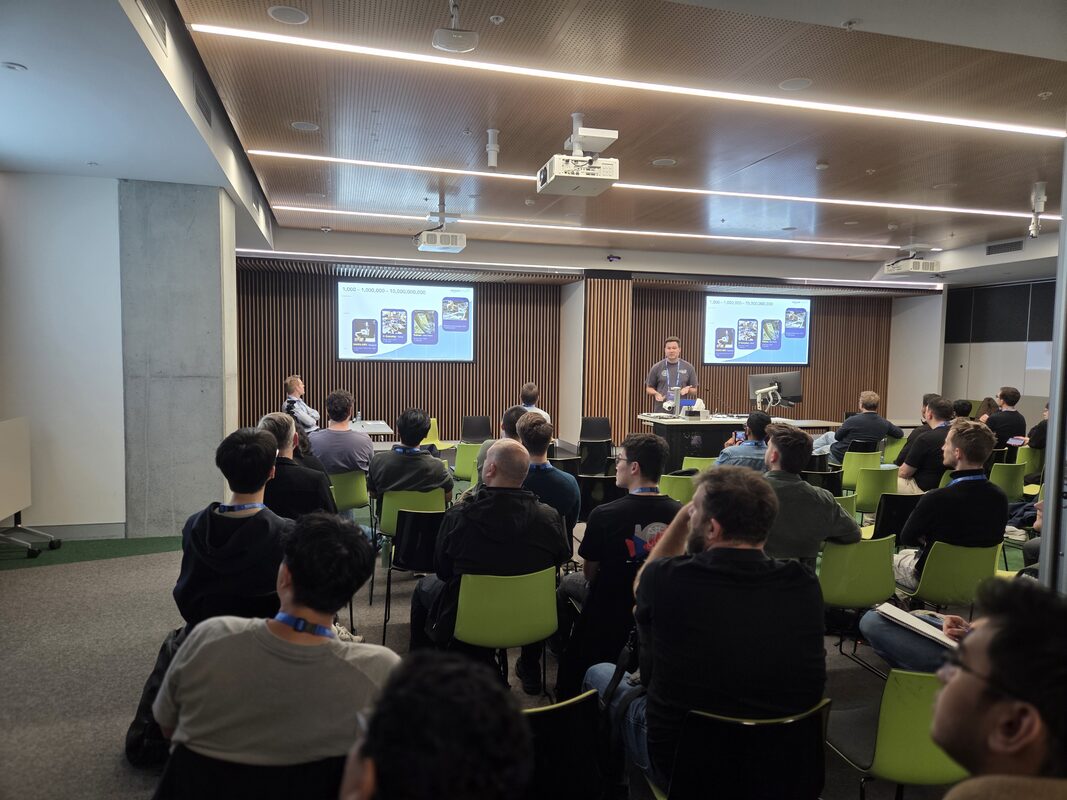
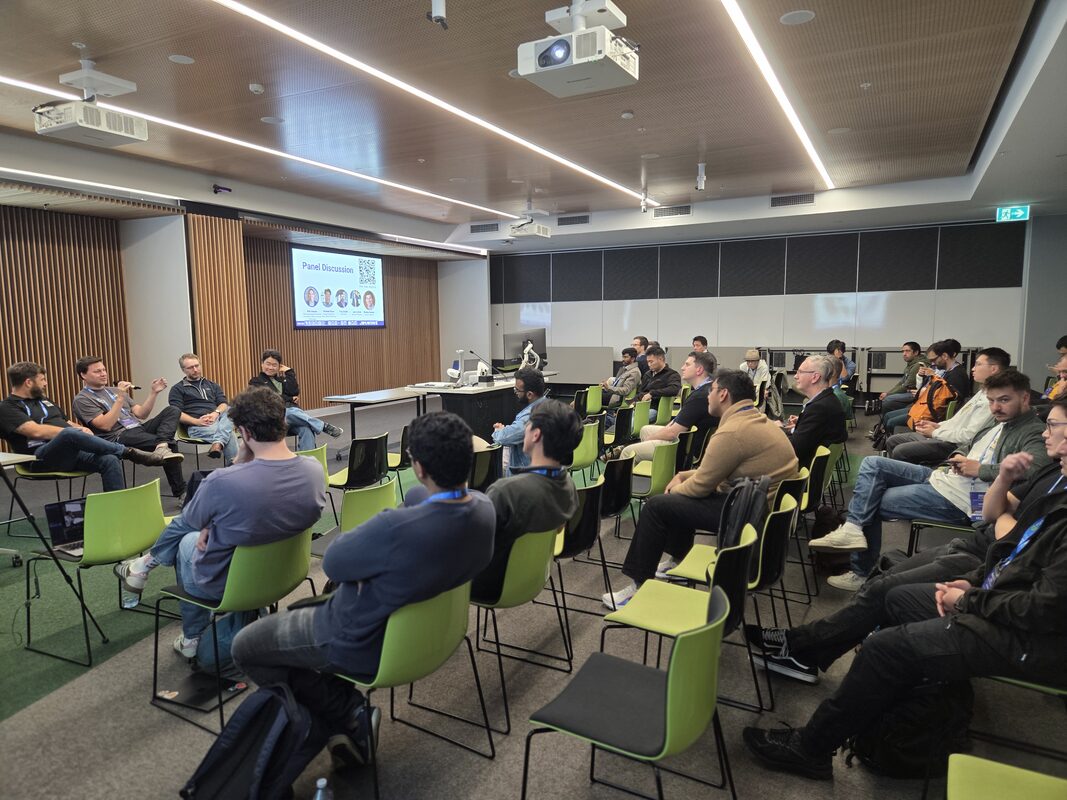
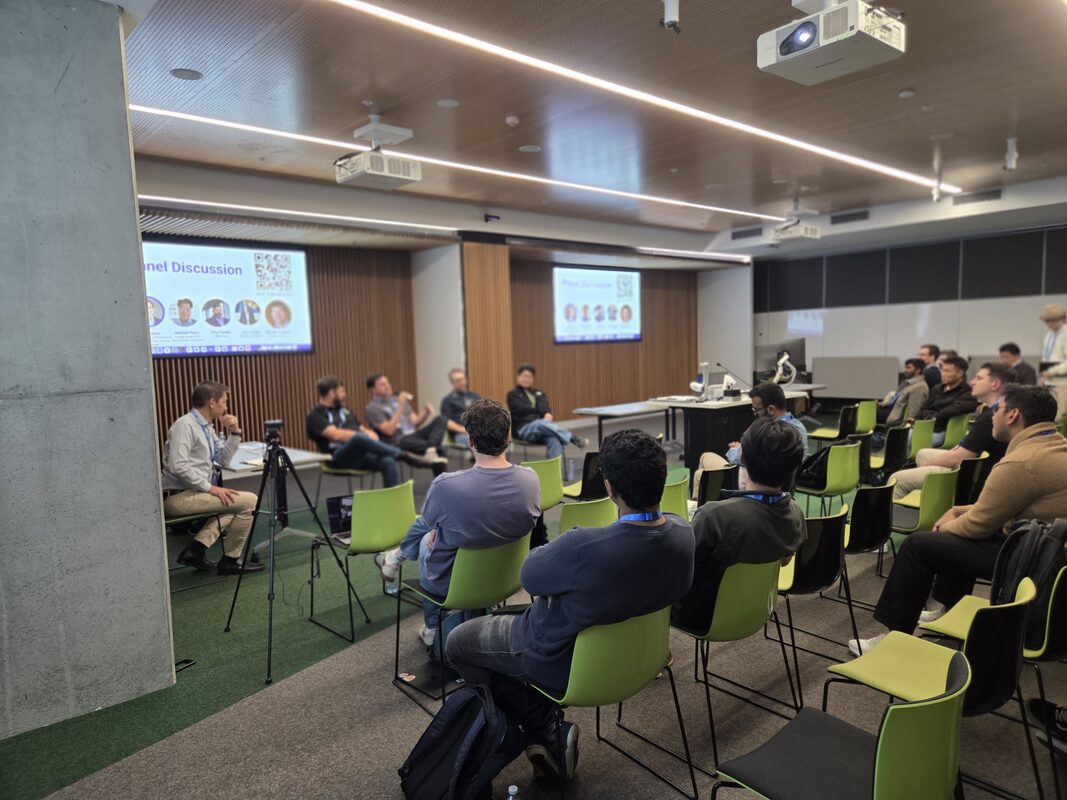
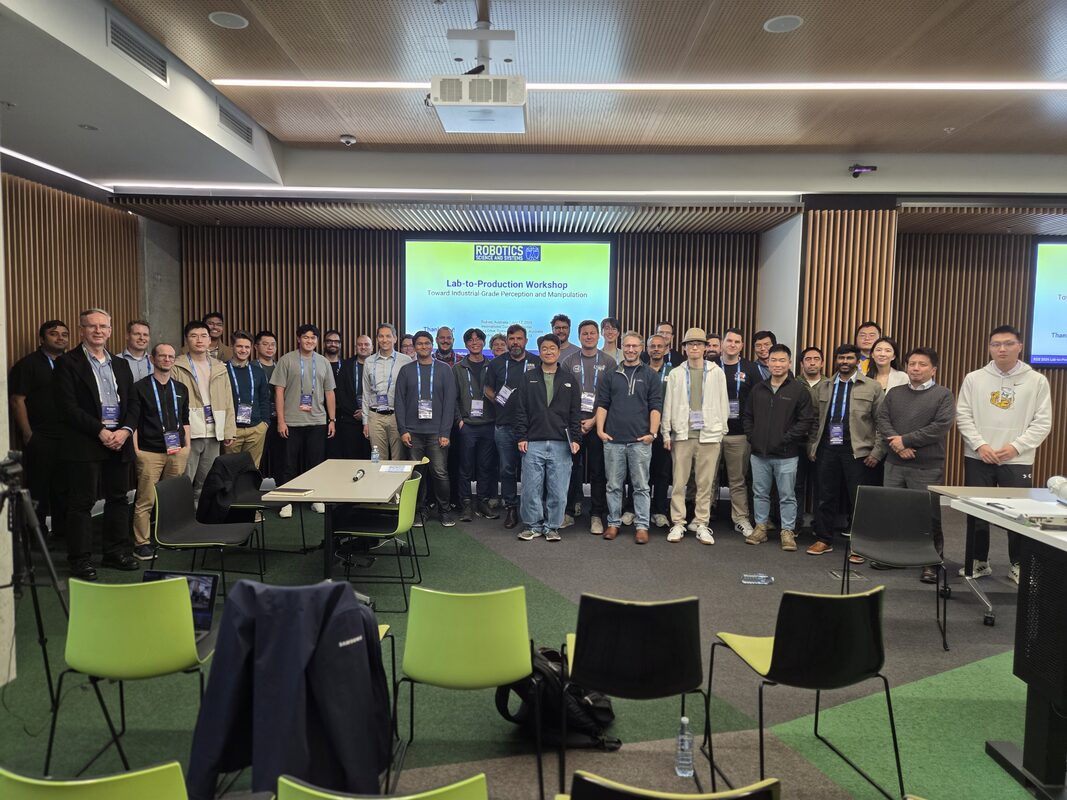
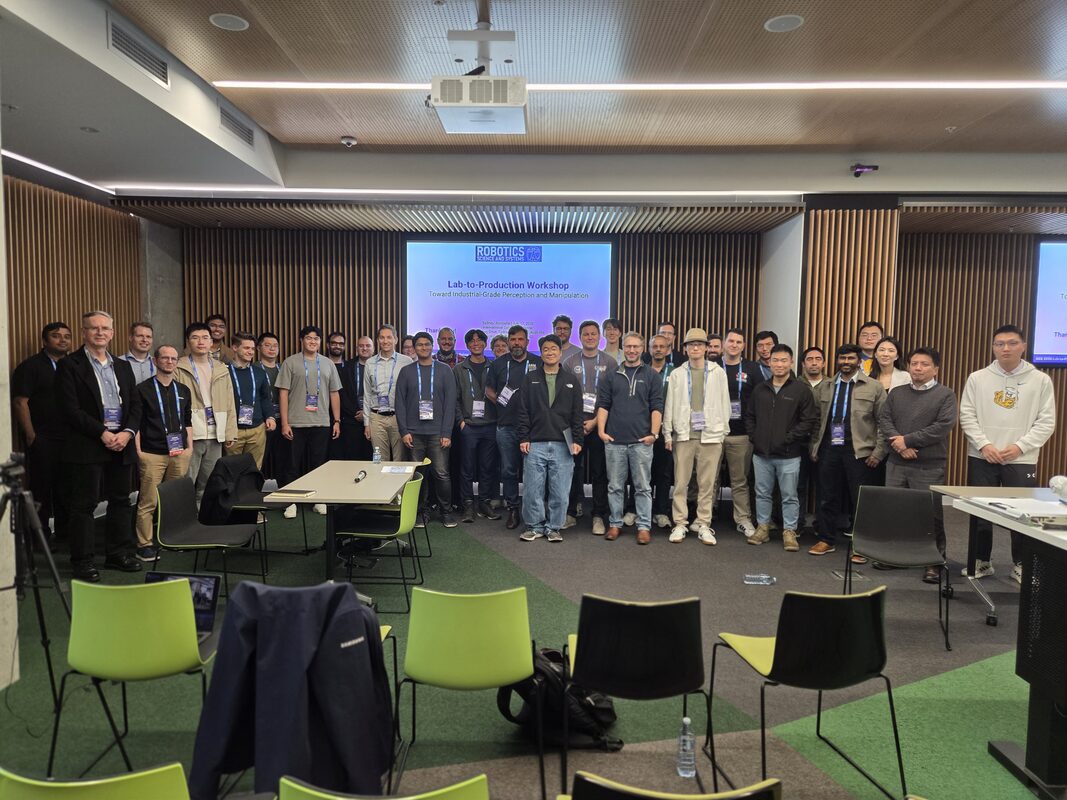
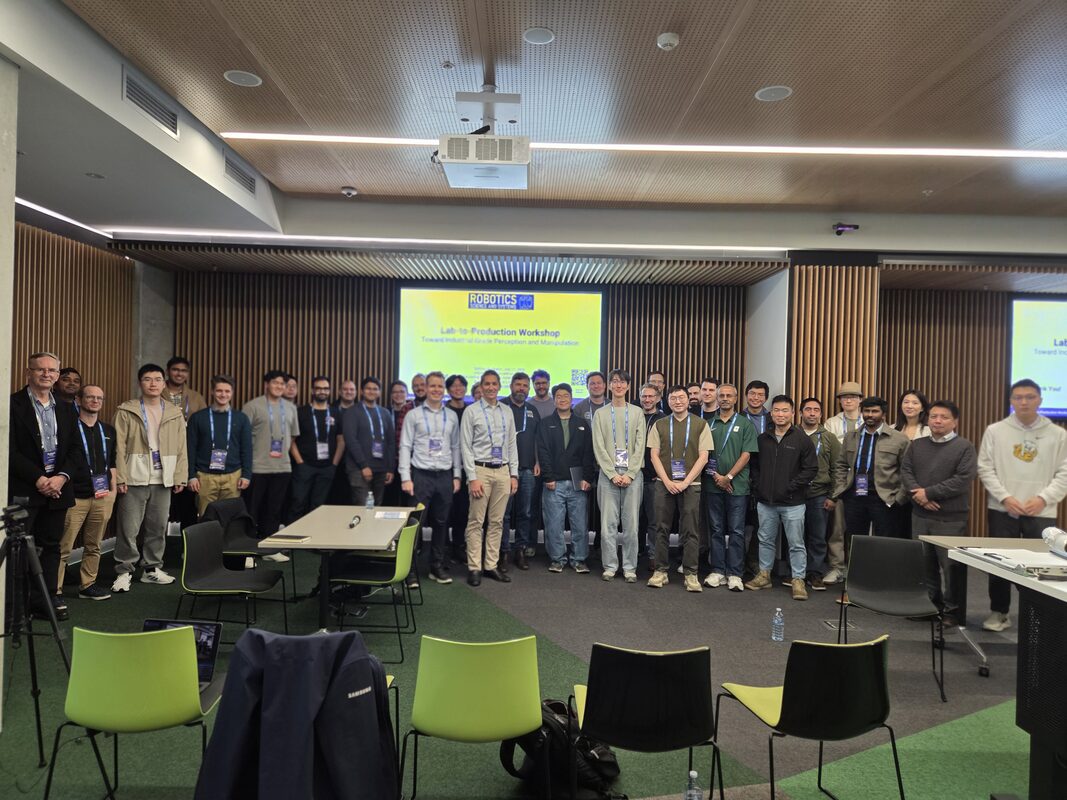
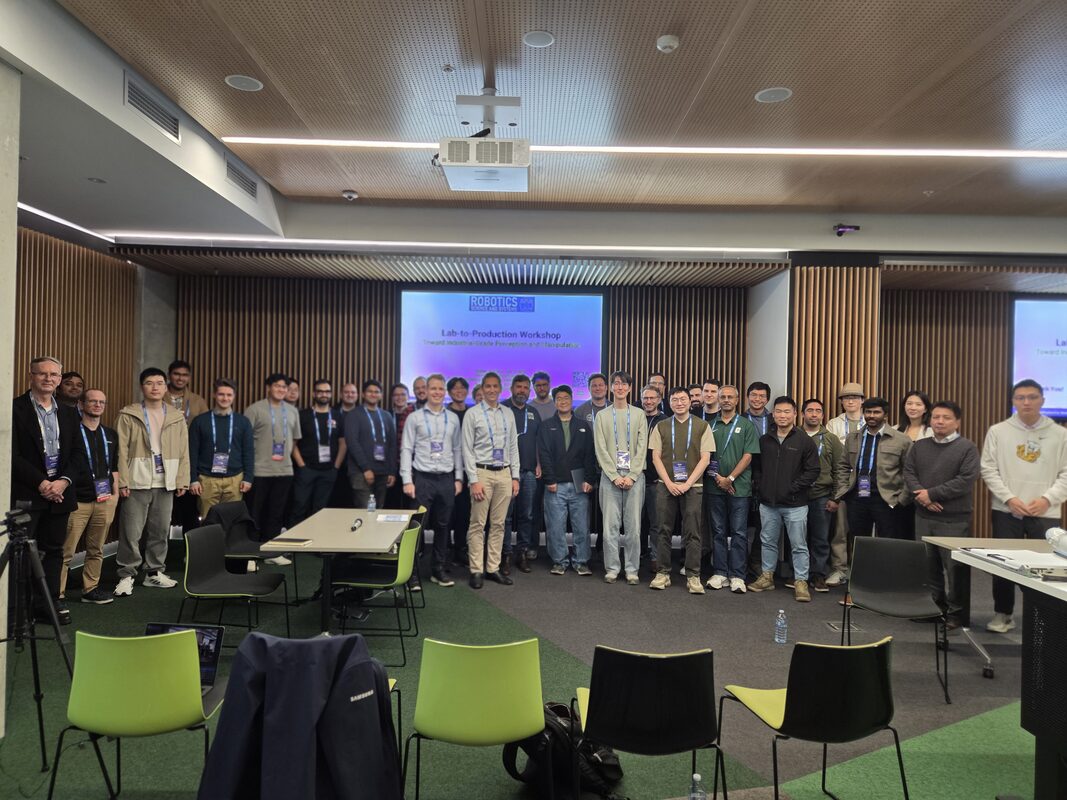
This workshop aims to unite the industrial robotics community at RSS, bringing together researchers across different domains (e.g., manufacturing, warehousing, logistics) to broaden the discussion on how recent advancements in autonomy and AI have influenced the field. To foster new insights and collaborations, this workshop will feature invited technical talks by renowned experts, spotlight presentations by emerging academic and industrial researchers, and demos by academic and industry research groups to (1) disseminate ground-breaking methods and systems, (2) discuss open challenges facing autonomous industrial perception and manipulation, and (3) surface future research needs in the field.

Discussion Topics

Invited Speakers

Maria Bauza
Maria Bauza
Google DeepMind
London, UK

Short Bio: Maria Bauza is a research scientist at Google DeepMind in London, UK. Before joining DeepMind, she received the Ph.D. in Robotics at the Massachusetts Institute of Technology and Bachelor’s degrees in Mathematics and Physics from Universitat Politècnica de Catalunya (UPC). Her research focuses on achieving precise robotic generalization by learning probabilistic models of the world that allow robots to reuse their skills across multiple tasks and environments. Maria received several fellowships, including Facebook, NVIDIA, and LaCaixa fellowships. She was also part of the MIT-Princeton Team participating in the Amazon Robotics Challenge, winning the stowing task in 2017 and receiving the 2018 Amazon Best Systems Paper Award in Manipulation.
Talk Title: Does diversity enable or destroy precision? How to prepare VLAs for the real world


Yunzhu Li
Jianlan Luo
AgiBot
Shanghai, China

Short Bio: Jianlan Luo is the Chief Scientist at AgiBot, where he leads the AI research effort. Before joining AgiBot, Jianlan was a postdoc scholar at Berkeley AI Research, and a research scientist at Google X. He completed his Ph.D. at the University of California, Berkeley in 2020. He has won best paper awards at ICRA and IROS, and was named to the MIT Innovators Under 35 list in 2024.
Talk Title: Grounding Robotic Foundation Model with Real-World Control


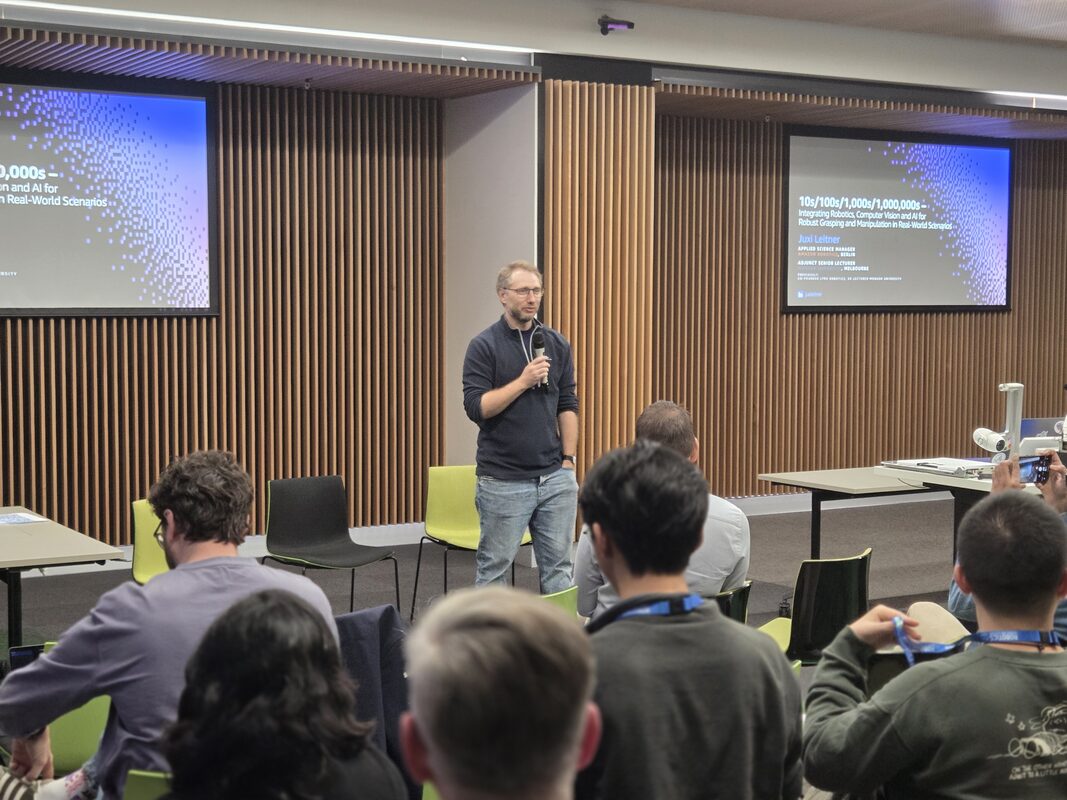
Juxi Leitner
Juxi Leitner
Amazon Robotics
Berlin, Germany

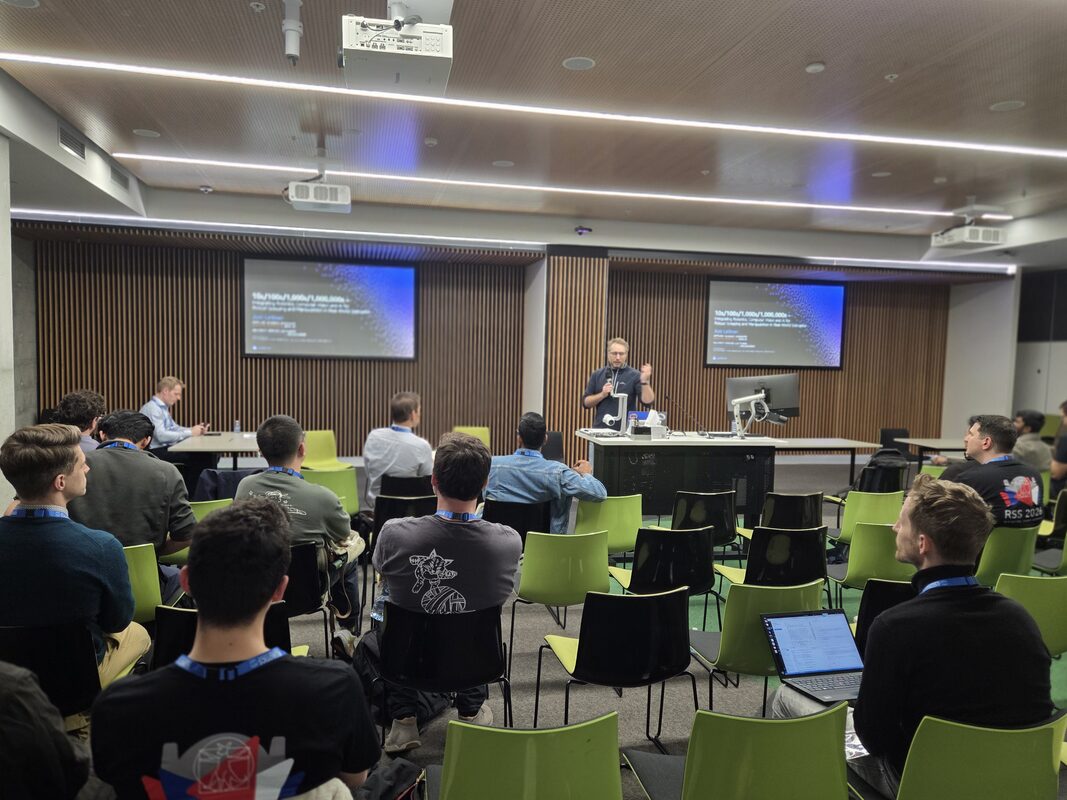
Short Bio: Juxi Leitner is an Applied Science Manager at Amazon in Berlin, Germany. He has spent the better part of the last two decades conducting robotics research across academia, government, and industry. Before joining Amazon, Juxi was founder, CEO, and CTO of LYRO Robotics, a startup creating general-purpose pick-and-place robots for the food supply chain based in Melbourne, Australia. In 2017, his team from the Australian Centre for Robotic Vision won the Amazon Robotics Challenge.
Talk Title: Integrating Robotics, Computer Vision and Artificial Intelligence for robust grasping and manipulation in real-world scenarios


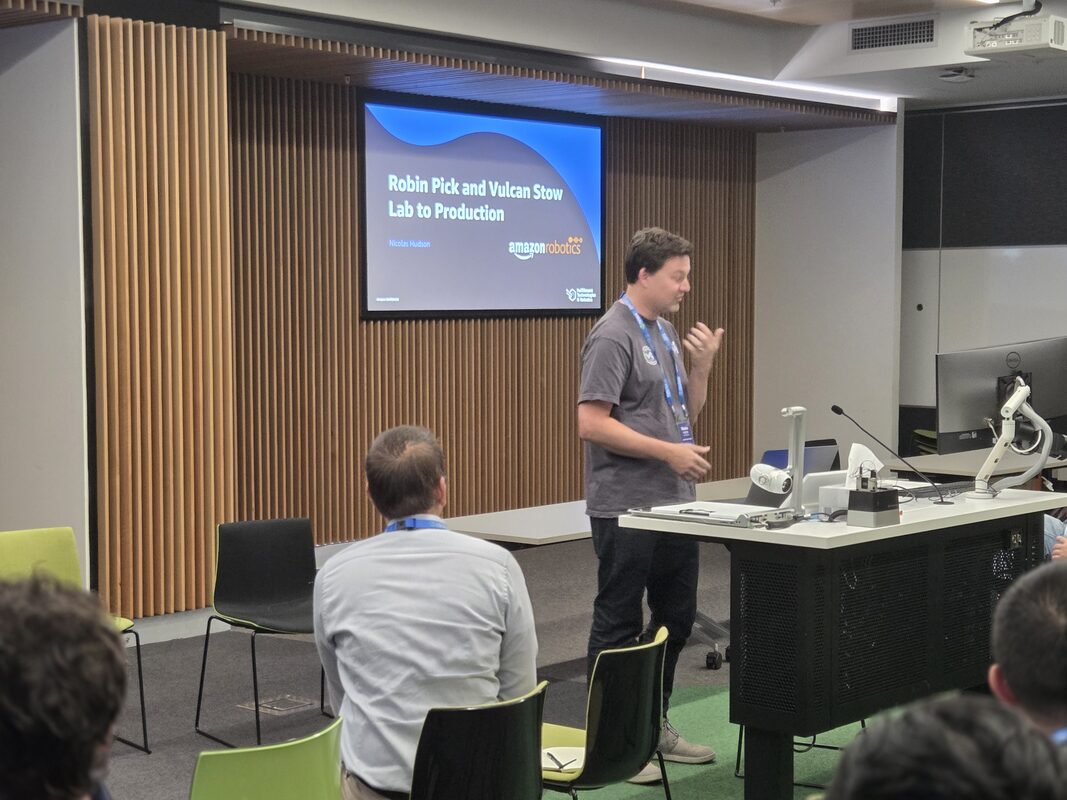
Nicolas Hudson
Nicolas Hudson
Amazon Robotics
Seattle, USA

Short Bio: Nicolas Hudson is a Principal Applied Scientist at Amazon Robotics, a position held since 2021. Previously, they served as a Senior Principal Research Scientist at CSIRO's Data61, where they were the Principal Investigator for the DARPA Subterranean Challenge Team and led a team researching robotic capabilities. Nicolas has also worked as a Senior Roboticist at both Google and NASA Jet Propulsion Laboratory, and held engineering roles at X and Boston Dynamics. They earned a Bachelor of Engineering with honors in Mechanical Engineering from the University of Canterbury and a PhD in Mechanical Engineering from Caltech.

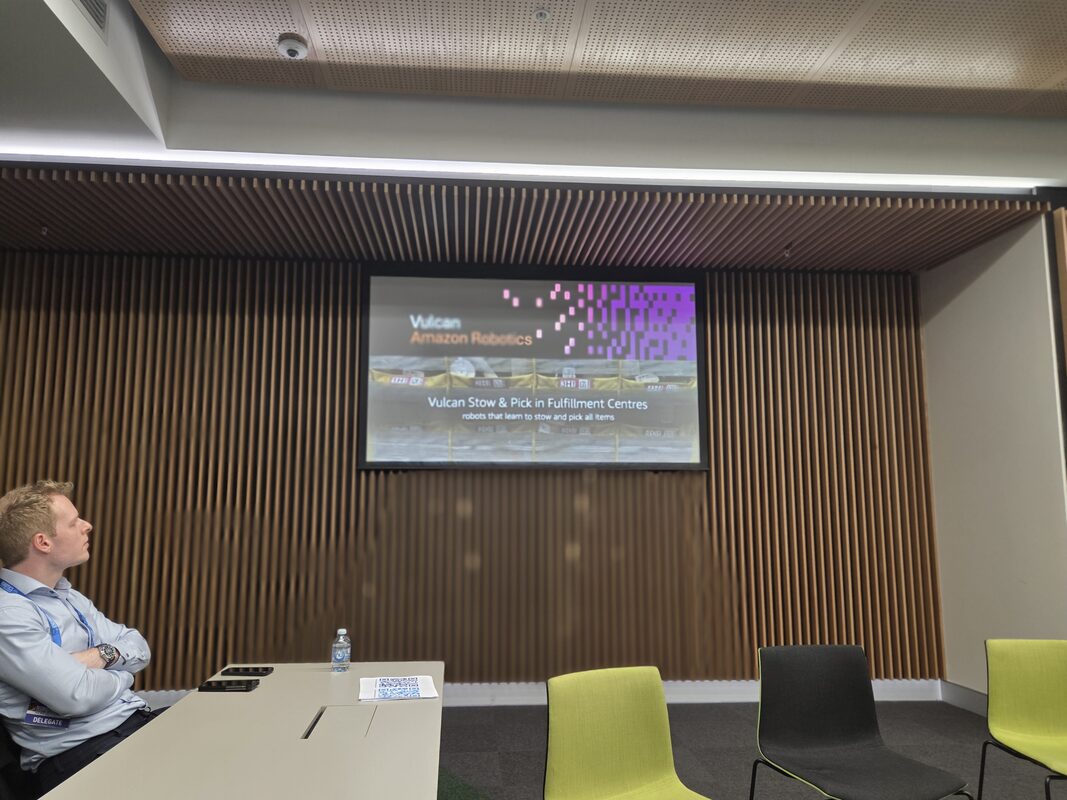
Talk Title: Stow: Robotic Packing of Items into Fabric Pods

Event Schedule

8:30 - 8:35 Introduction and Opening Remarks
8:35 - 9:00 Invited Talk: TBA
9:00 - 9:25 Invited Talk: Maria Bauza
9:25 - 9:50 Invited Talk: Jianlan Luo
9:50 - 10:20 Spotlight Session and Poster Overview
10:20 - 11:00 Coffee Break and Poster Session
11:00 - 11:25 Invited Talk: Juxi Leitner
11:25 - 11:50 Invited Talk: Nicolas Hudson
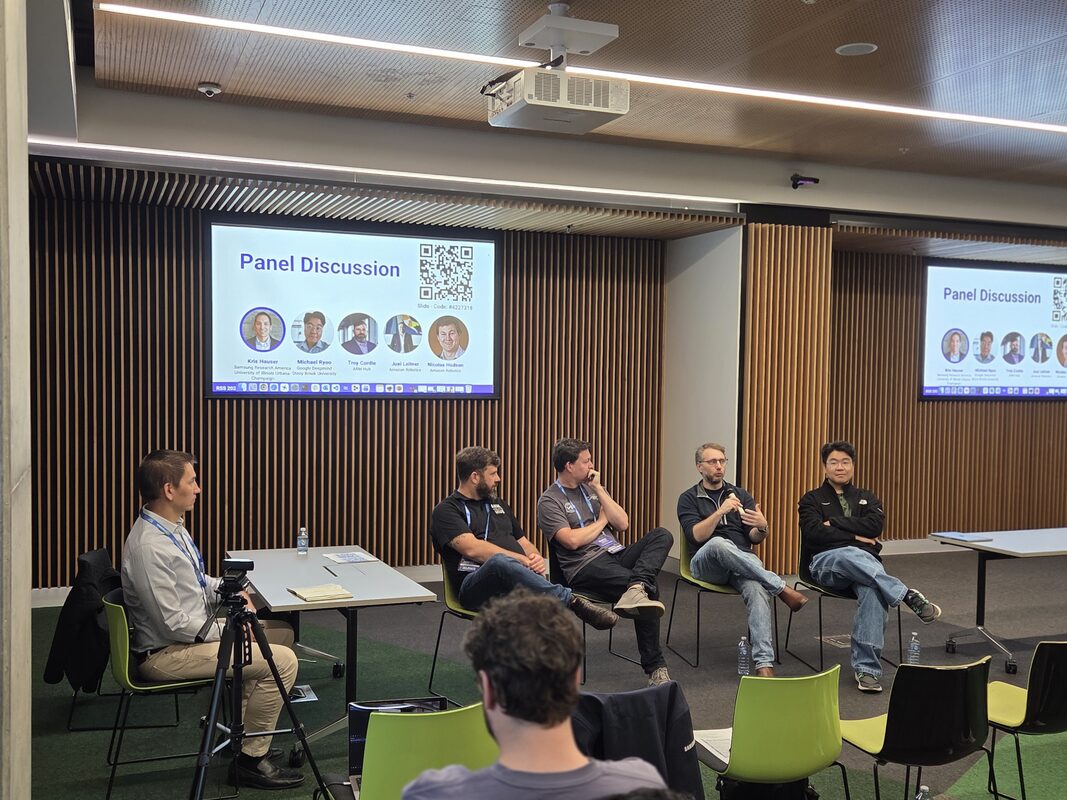
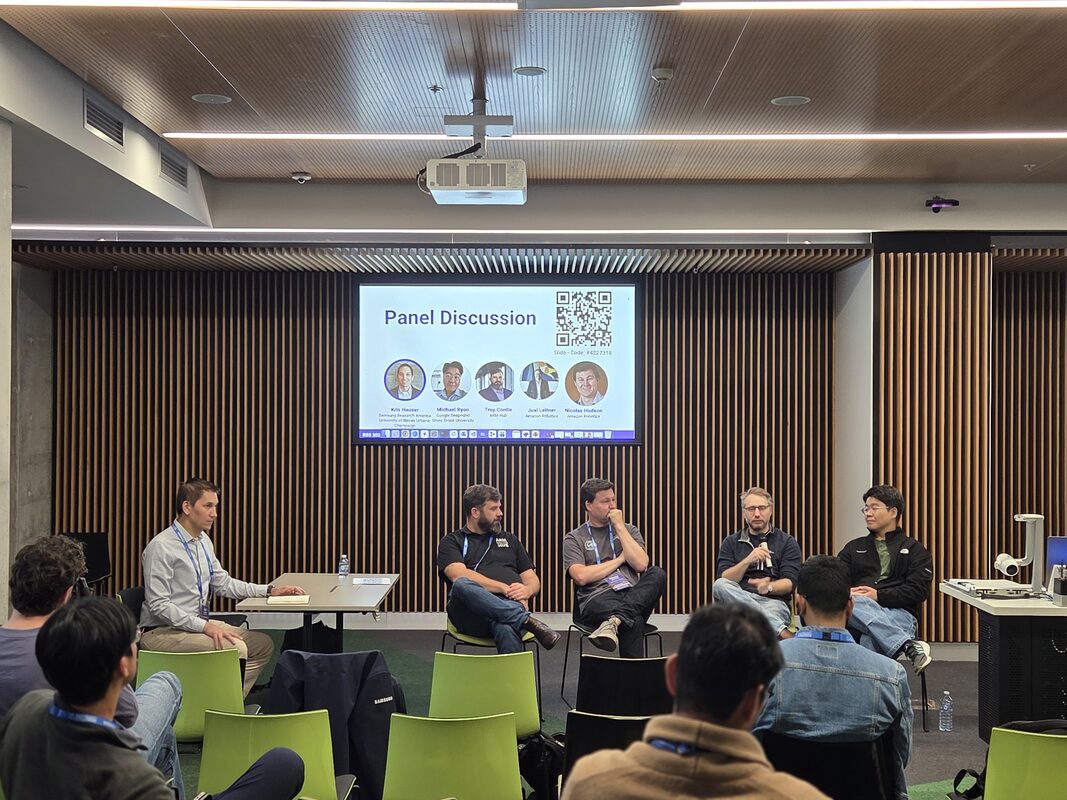
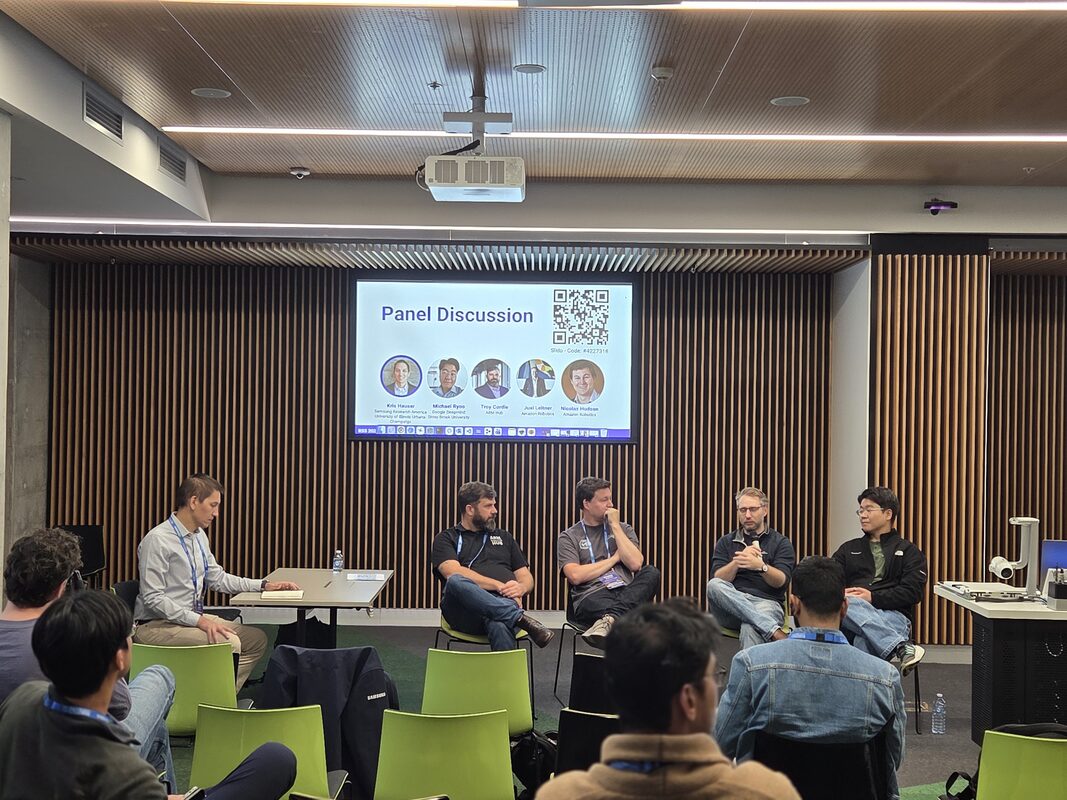
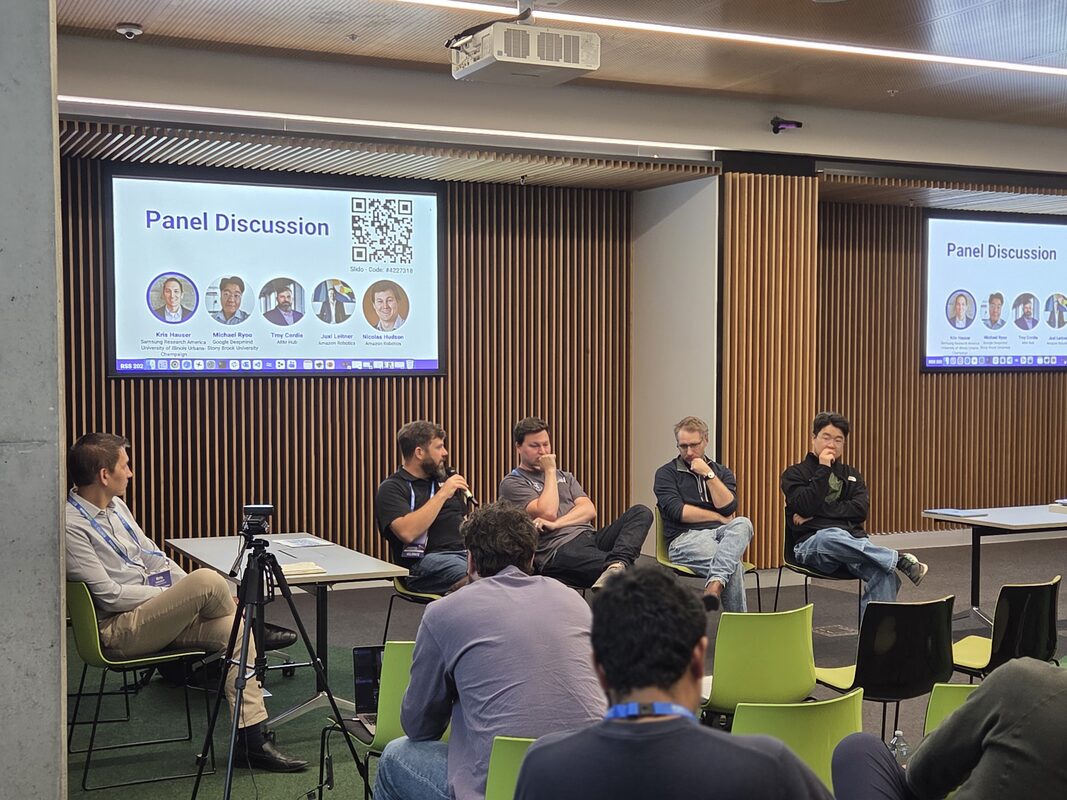
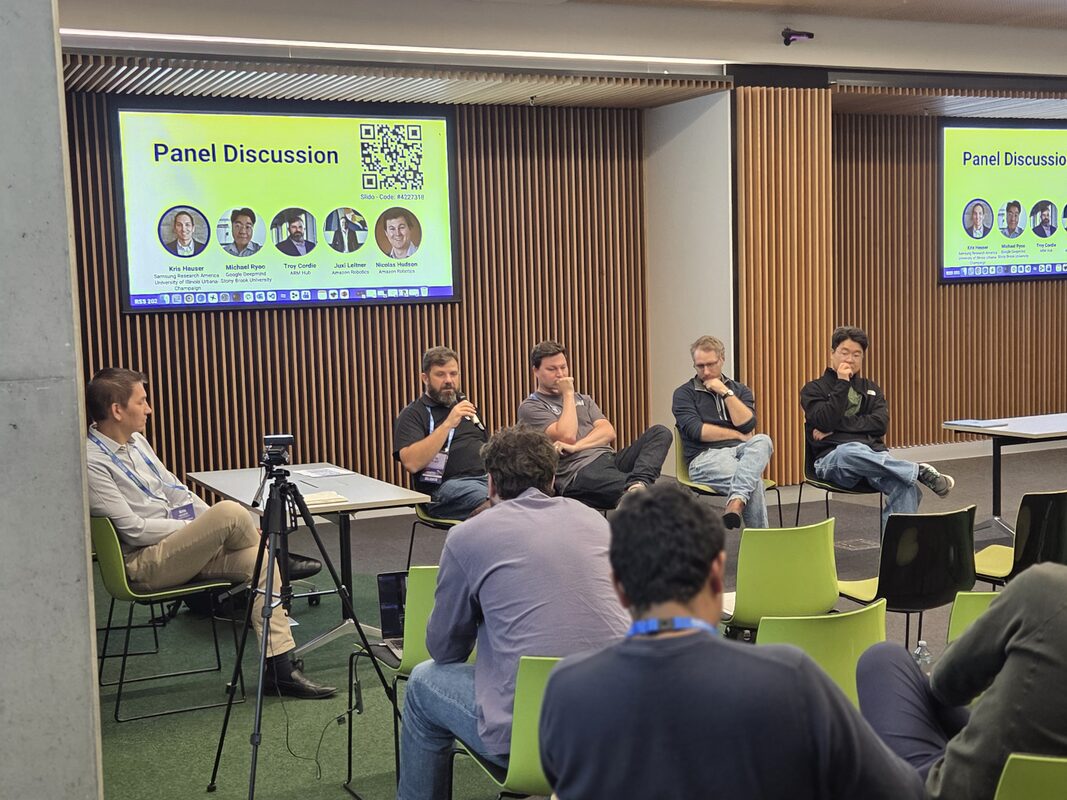
11:50 - 12:20 Panel Discussion
12:20 - 12:30 Closing Remarks


Call For Papers

We invite extended abstracts of up to 3 pages (excluding references, acknowledgments, limitations, and appendix) formatted in the RSS template and submitted via the FLTF OpenReview console. The extended abstract should be submitted along with references, acknowledgments, limitations, and appendices as one .pdf file. Supplementary videos, websites, or data are welcome in the OpenReview submission but not required, and must maintain author identity and affiliation anonymity.
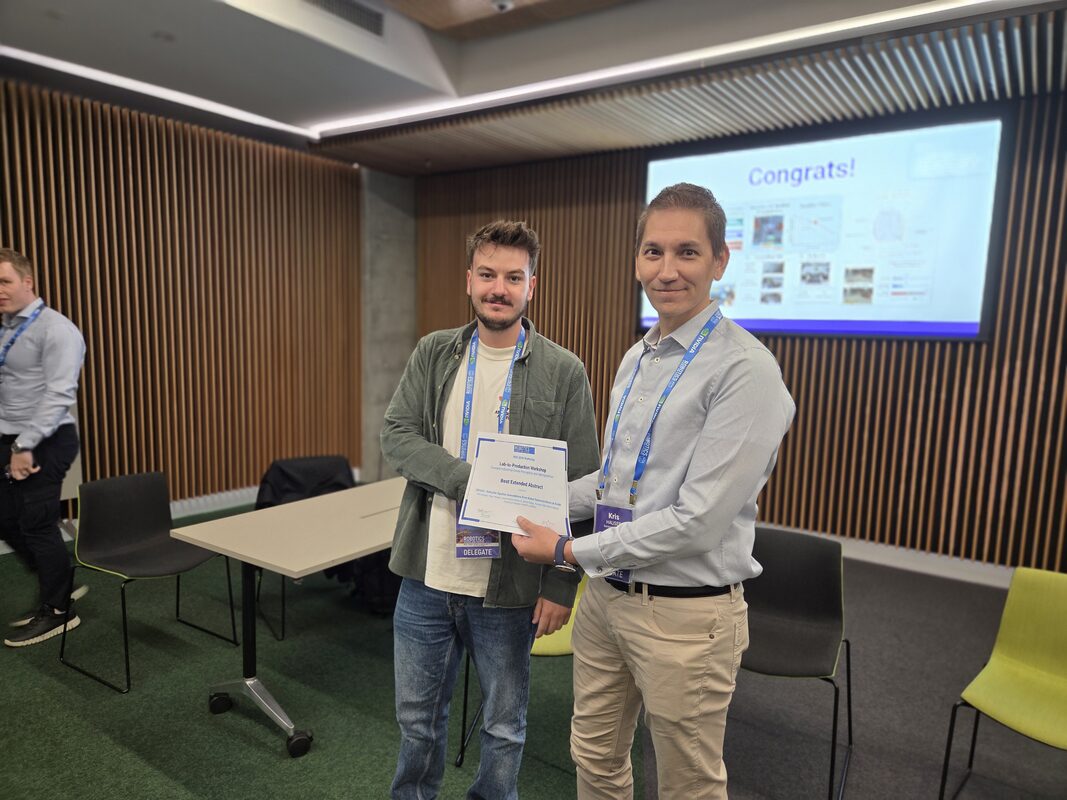
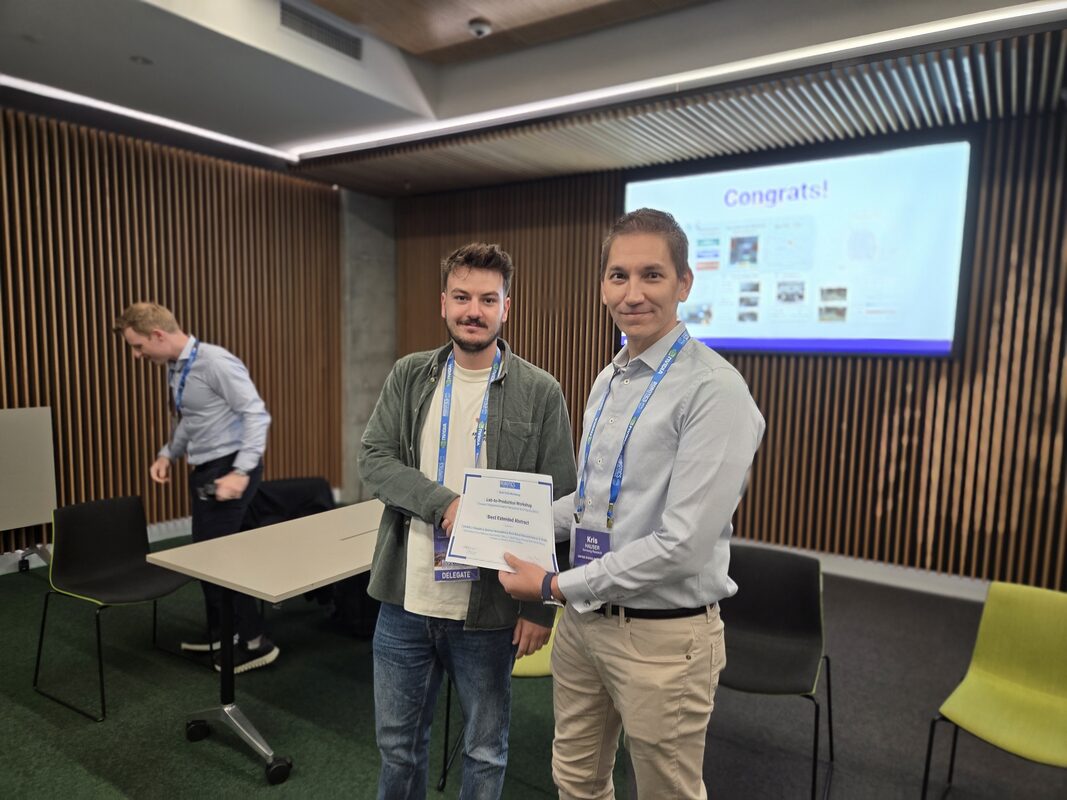
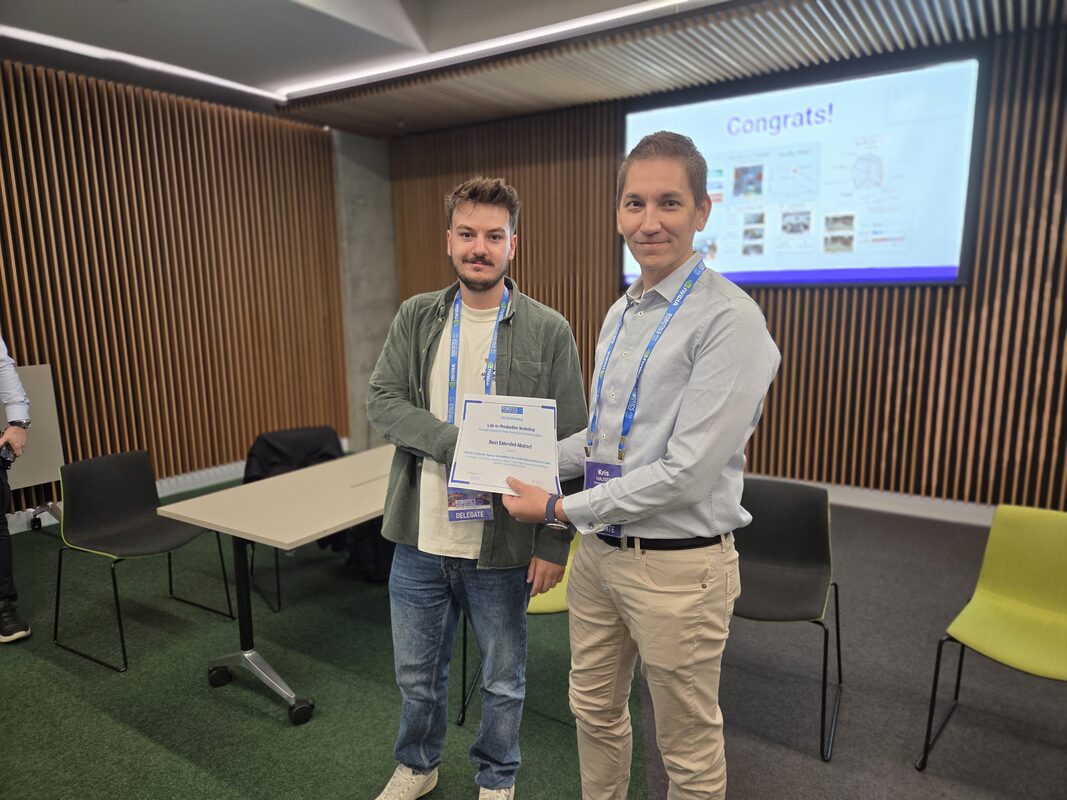
Best Paper and Best Poster Awards: The workshop will recognize outstanding contributions with a Best Extended Abstract Award and a Best Poster Award.

Submissions will be reviewed in a double-blind process by workshop organizers and attendees. Each submission must nominate one author as a reviewer to evaluate two other contributions, following the RSS main track's reciprocal review model. Authors are strongly encouraged to incorporate the feedback received from the reviewers to be considered for awards. Accepted abstracts will be published on the workshop website, invited for spotlight presentations, and presented as posters.

We encourage forward-thinking submissions of new or in-progress ideas. Workshop paper versions of papers accepted to the RSS 2026 main track or any other prior conferences are not permitted. We strongly encourage in-person participation of at least one author in the workshop. The timezone for all deadlines is Anywhere on Earth (AoE).

Paper Submission Opens TBD
Paper Submission Deadline TBD
Review Period TBD
Author Notification TBD
Camera-ready Deadline TBD
Spotlight Video Deadline TBD
Poster Deadline TBD


Organizers


Holly Dinkel
Holly Dinkel
Samsung Research America
Xiao Liu
Xiao Liu
Samsung Research America
Kris Hauser
Kris Hauser
Samsung Research America
University of Illinois Urbana-Champaign
Youngwoon Lee
Youngwoon Lee
Yonsei University
Alessio Caporali
Alessio Caporali
University of Bologna
Simon Manschitz
Simon Manschitz
Honda Research Institute
Eric Heiden
Eric Heiden
NVIDIA
Kelsey Allen
Kelsey Allen
University of British Columbia
Vector Institute for Artificial Intelligence
Contact: For questions, please contact Holly Dinkel (holly.dinkel@samsung.com).
Website template from LEAP Workshop.